

Setting up a kitchen can be surprisingly overwhelming. You need a cutting board, a good knife, a few utensils, pots, pans, and somewhere along the way, someone tells you that you absolutely need a cast iron skillet. Then comes the question we hear all the time: What size cast iron skillet do I actually need?
Whether you're heading back to school, moving into your first apartment, setting up a new home, or simply looking to upgrade your cookware, choosing the right skillet size doesn't have to be complicated. The best size really comes down to how many people you typically cook for, what you like to make, and how much cooking space you actually need.
What Size Lancaster Cast Iron Skillet Is Right for Me?
At Lancaster Cast Iron, we make skillets in a range of sizes because every kitchen, and every cook, is a little different. Here's a simple way to think about which size might be right for you.
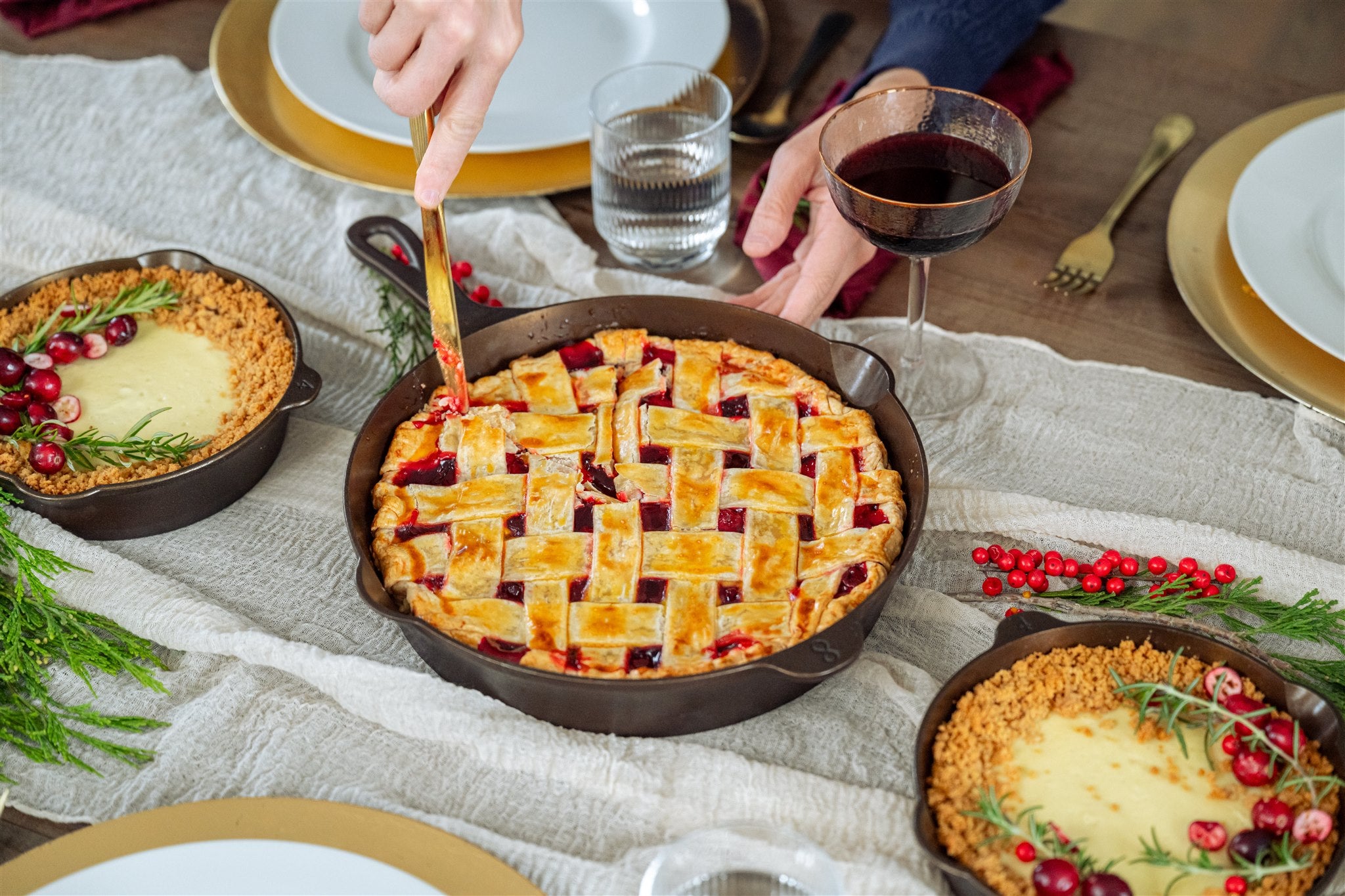
No. 4 Skillet: If you're looking for something compact, the No. 4 is a great little skillet for small dips or desserts, individual portions, and serving something warm right at the table. It's a fun size to have when you don't need a lot of cooking surface but still want the benefits of cast iron.
No. 6 Skillet: The No. 6 is a step up in size and is especially handy for single-serving meals, grilled cheese, eggs, desserts, and smaller sides. It's a useful option for smaller households or anyone who finds themselves cooking smaller portions most of the time.
No. 8 Skillet: This is our original and most versatile skillet, and the one we recommend for most kitchens. The No. 8 is a wonderful everyday choice for breakfast, weeknight dinners, roasting, baking, and much more. It's large enough to be genuinely useful without feeling oversized or difficult to handle.
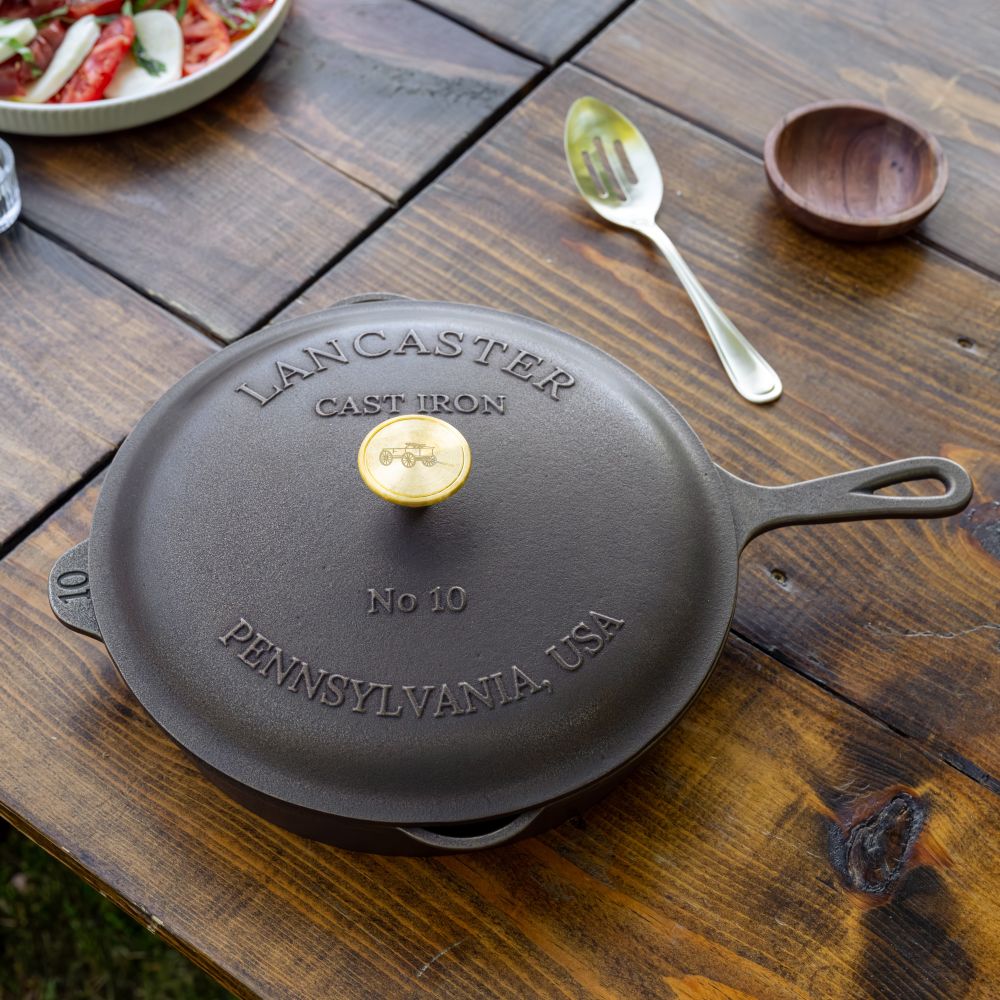
No. 10 Skillet: Need a little more room? The No. 10 gives you additional cooking surface for larger proteins, generous meals, frying, and baking. It's a great choice when you regularly cook for several people or simply don't like crowding your pan.
No. 12 Skillet: Our No. 12 is our family-dinner skillet. With plenty of cooking space, it's made for one-pan meals, family-style cooking, and serving a crowd. If you're regularly cooking larger portions or want plenty of room to spread your ingredients out, this is the skillet to reach for.
Why We Recommend the No. 8 for Most Kitchens
If you're still not sure which cast iron skillet size to choose, start with the No. 8.
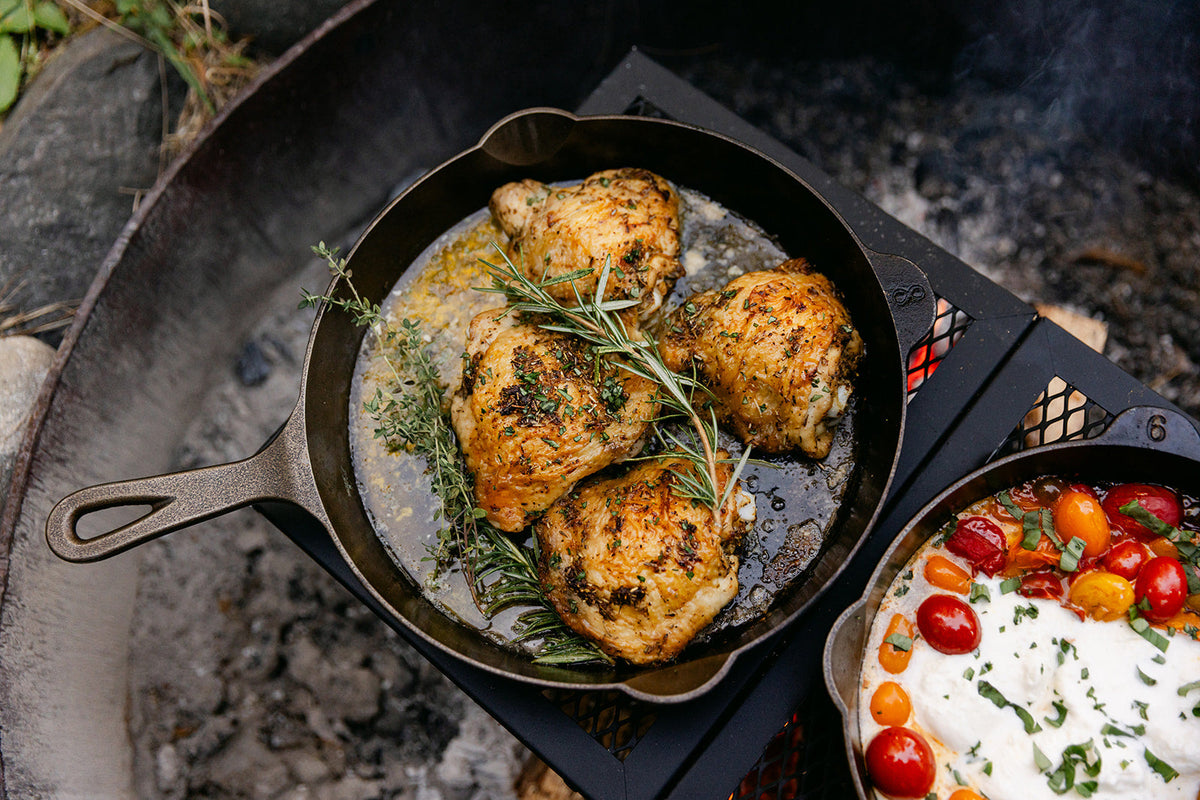
It's our flagship skillet for a reason. The No. 8 strikes a balance between cooking surface and easy handling, making it versatile enough for just about any meal. You can fry eggs in it in the morning, sear chicken for dinner, roast vegetables, bake cornbread, or finish a dessert in the oven.
It's also a particularly practical choice if you're setting up a new kitchen. When you're buying cookware for a first apartment, a college kitchen, or a new home, you want pieces that can do more than one job. The No. 8 earns its space because you can reach for it again and again.
When Should You Choose a Larger Skillet?
One of the easiest ways to know whether you need to move up in size is to think about what happens when you're cooking.
If your skillet is constantly crowded, your vegetables don't have enough room to brown, or you're trying to squeeze a family-sized meal into a pan that was better suited for two people, it's probably time for a larger skillet.
The No. 10 and No. 12 give you more room to spread ingredients out, which can make a real difference when you're cooking larger proteins, frying, baking, or making one-pan meals for the family.
More space can also make cooking easier. Instead of working in batches, you may be able to cook everything together. Instead of worrying about ingredients spilling over the sides, you have room to stir, flip, and serve.
Do I Need More Than One Cast Iron Skillet?
If you're buying your first cast iron skillet, we'd recommend starting with the size you'll use most often. For many cooks, that's the No. 8. Once you've cooked with it for a while, you'll probably get a better idea of whether you need something smaller for individual portions or something larger for family meals.
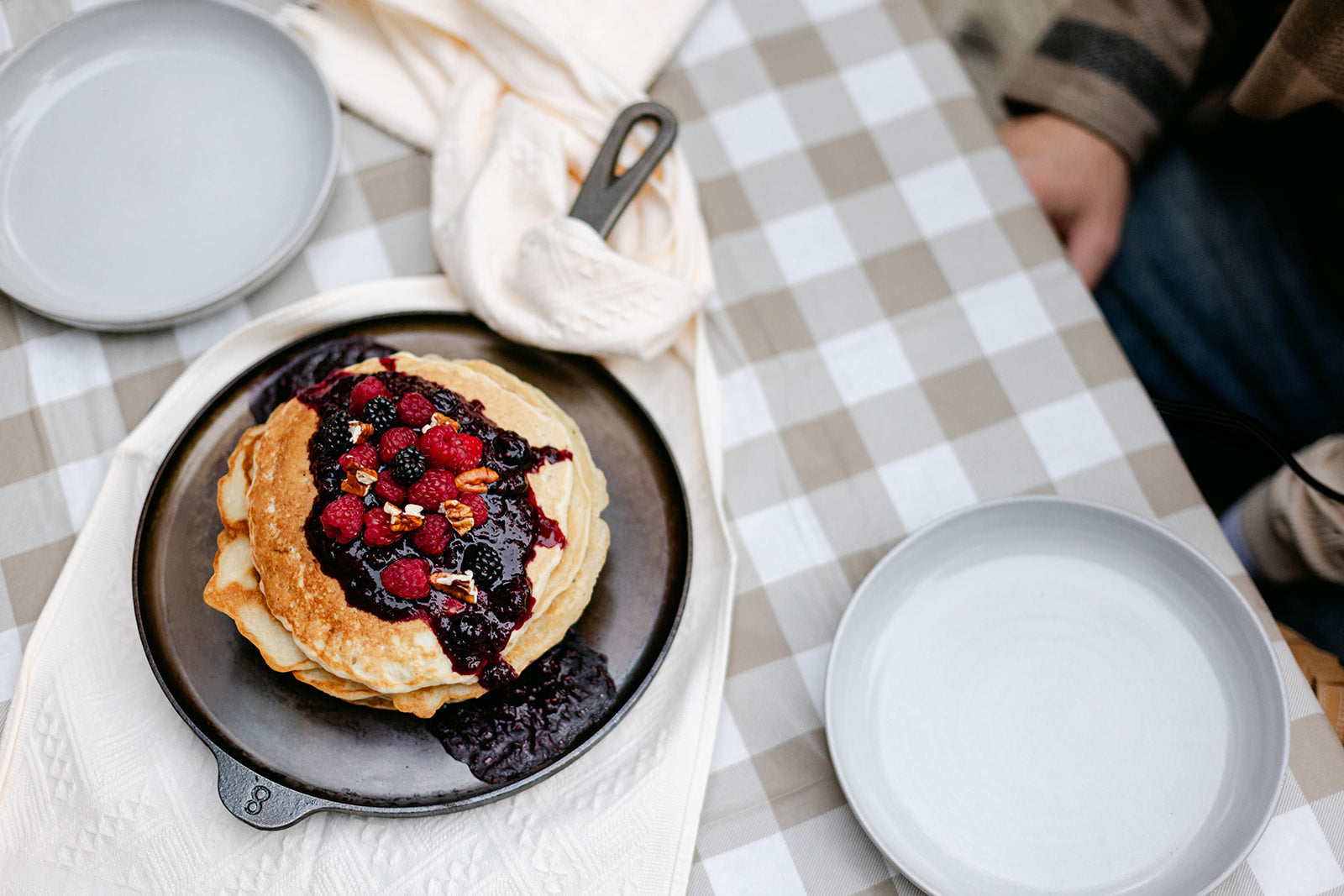
But if you're ready to add another piece of cast iron to your kitchen, you don't necessarily need another skillet. Think about the types of meals you find yourself making most often. If you love slow-cooked meals, soups, stews, or baking bread, a Dutch oven can be a natural next addition. If breakfast is a regular event in your kitchen, a griddle gives you plenty of flat cooking surface for pancakes, eggs, bacon, grilled cheese, and more. And if you're making braises, roasted meats, or meals that start on the stovetop and finish in the oven, our braiser offers a wide cooking surface and plenty of room for those longer, slower meals.
That's one of the nice things about building a cast iron collection over time. You don't have to buy everything at once. Start with the piece that fits your everyday cooking, then add another when you find yourself wishing you had a different shape, more cooking surface, or a new way to prepare your favorite meals.
Choosing the Right Skillet for Your Kitchen
When you're choosing a cast iron skillet, it's easy to focus on the number. But the size is really about how you cook.
If you're usually making individual portions, small dips, or desserts, a No. 4 or No. 6 might be just right.
If you want one skillet that can handle most everyday meals, the No. 8 is our recommendation.
If you regularly cook larger portions, proteins, or meals for several people, the No. 10 gives you more room.
And if you're often cooking family dinners or feeding a crowd, the No. 12 gives you the cooking surface to spread out.
There isn't one perfect cast iron skillet size for everyone. The right skillet is the one that fits the meals you actually make.
A Cast Iron Skillet You'll Keep Reaching For
Setting up a kitchen, especially a new one, is all about finding cookware that earns its place. You don't necessarily need every size, every pan, and every gadget. You need a few dependable pieces that make cooking easier and that you'll reach for regularly.
That's what we love about cast iron. A good skillet can make breakfast in the morning, dinner at night, and dessert in between. It can move from the stovetop to the oven and, with the right care, stay in your kitchen for generations.
So, what size cast iron skillet do you actually need?
For most people, start with the No. 8. It's our original, flagship skillet and a versatile everyday size that's easy to handle while still giving you plenty of room to cook.
And if your cooking eventually calls for more—or less—space, there's always another skillet waiting for you.
Share:
How to Season Cast Iron: The Definitive Guide