

Walk into any kitchen store, and you'll probably notice two types of cookware dominating the shelves: cast iron and stainless steel. Both have earned loyal followings, and both have a place in the kitchen. But if you're trying to decide which deserves the front spot on your stove, the answer depends on how you like to cook.
The truth is, this isn't about one pan being "good" and the other being "bad." It's about understanding what each one does best. And while stainless steel has plenty of strengths, there's a reason cast iron has been trusted for generations and is still one of the most beloved pieces of cookware you can own.
Heat Retention: Where Cast Iron Shines
One of the biggest differences between the two comes down to heat.
Stainless steel heats up quickly and responds fast when you adjust the burner. That's great when you're making delicate sauces or cooking something that requires constant temperature changes.
Cast iron takes a little longer to heat, but once it's hot, it stays hot.
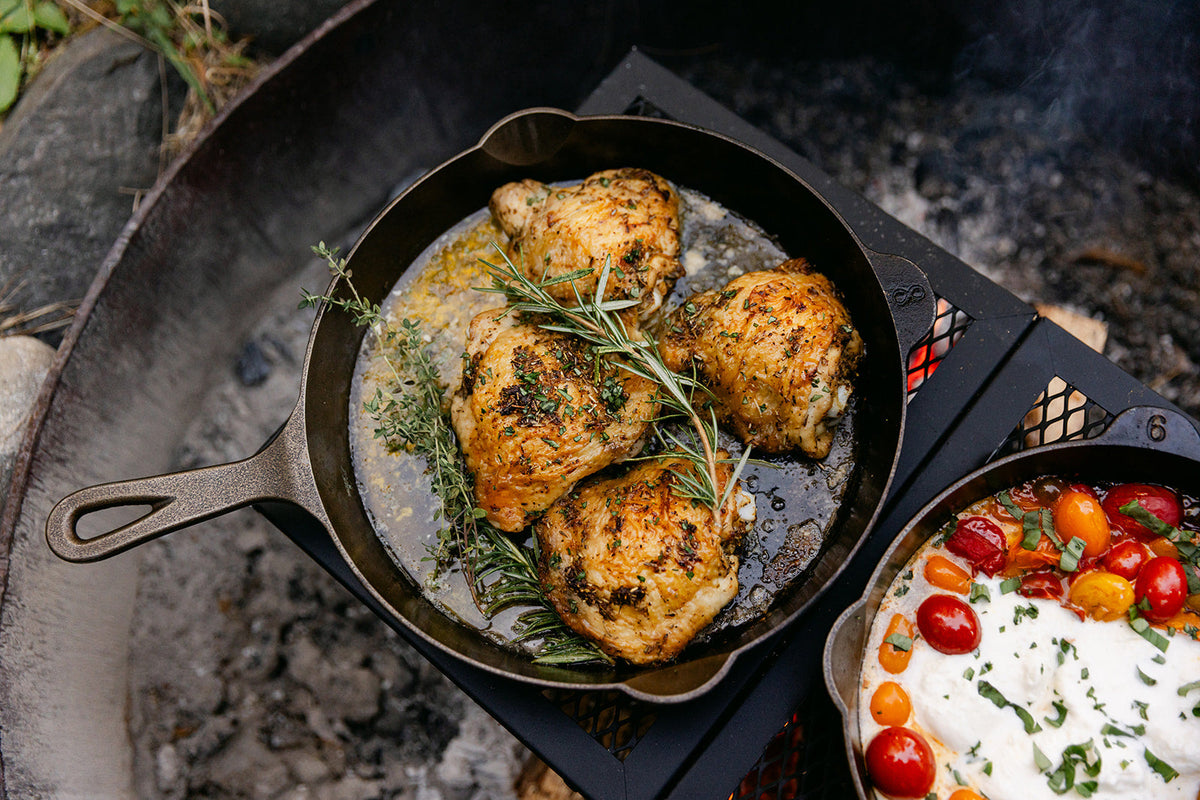
That means a steak gets a beautiful, even crust instead of cooling the pan the moment it hits the surface. It means cornbread develops crispy edges while staying tender inside. It means your skillet cookie finishes with perfectly golden edges and a gooey center.
When people talk about food tasting better in cast iron, this is often why.
Naturally Non-Toxic Cooking
More and more home cooks are paying attention to what their cookware is made from.
Traditional cast iron contains just one ingredient: iron.
There are no synthetic nonstick coatings to wear away over time. With proper seasoning, the cooking surface develops naturally through regular use. That seasoning only gets better the more you cook.
Stainless steel is also considered a safe cookware material and doesn't rely on chemical coatings. It's a great option for many kitchens. But cast iron offers something unique: a naturally seasoned cooking surface that actually improves with age instead of wearing out.
The Cooking Experience
There's something different about cooking with cast iron.
A cast iron skillet moves effortlessly from stovetop to oven. You can bake bread, roast vegetables, sear salmon, crisp potatoes, or serve a dessert right in the same pan.
Stainless steel excels in technical cooking where precise temperature adjustments matter. But for everyday meals, family dinners, weekend breakfasts, and recipes that become traditions, cast iron simply feels at home.
Maintenance Isn't What It Used to Be
One of the biggest myths surrounding cast iron is that it's difficult to maintain.
The reality?
Modern cast iron is surprisingly easy to care for.
Wash it with warm water and a mild soap, dry it thoroughly, and wipe on a thin coat of oil. That's really it.
Many people assume stainless steel is maintenance-free, but anyone who's scrubbed burnt-on food knows that's not always the case. Stainless cookware often requires soaking, specialty cleaners, or plenty of elbow grease to remove stubborn residue.
With a well-seasoned cast iron skillet, cleanup often takes just a quick rinse and a chainmail.
Durability That Lasts Generations
Here's where cast iron becomes hard to beat.
A quality cast iron skillet doesn't have an expiration date.
There's no coating to peel.
No rivets to loosen.
No surface that eventually wears out.
It's not unusual to find cast iron pans that are 75 or even 100 years old still being used every week.
Stainless steel cookware is certainly durable, but many pieces eventually become warped, scratched, or develop loose handles after years of heavy use.
A well-made cast iron skillet often becomes something you hand down.
Weight Matters
Let's address the obvious.
Cast iron is heavier than stainless steel.
For some people, that's a drawback.
For others, it's exactly why they love it. The weight helps the pan stay stable on the burner and retain heat exceptionally well.
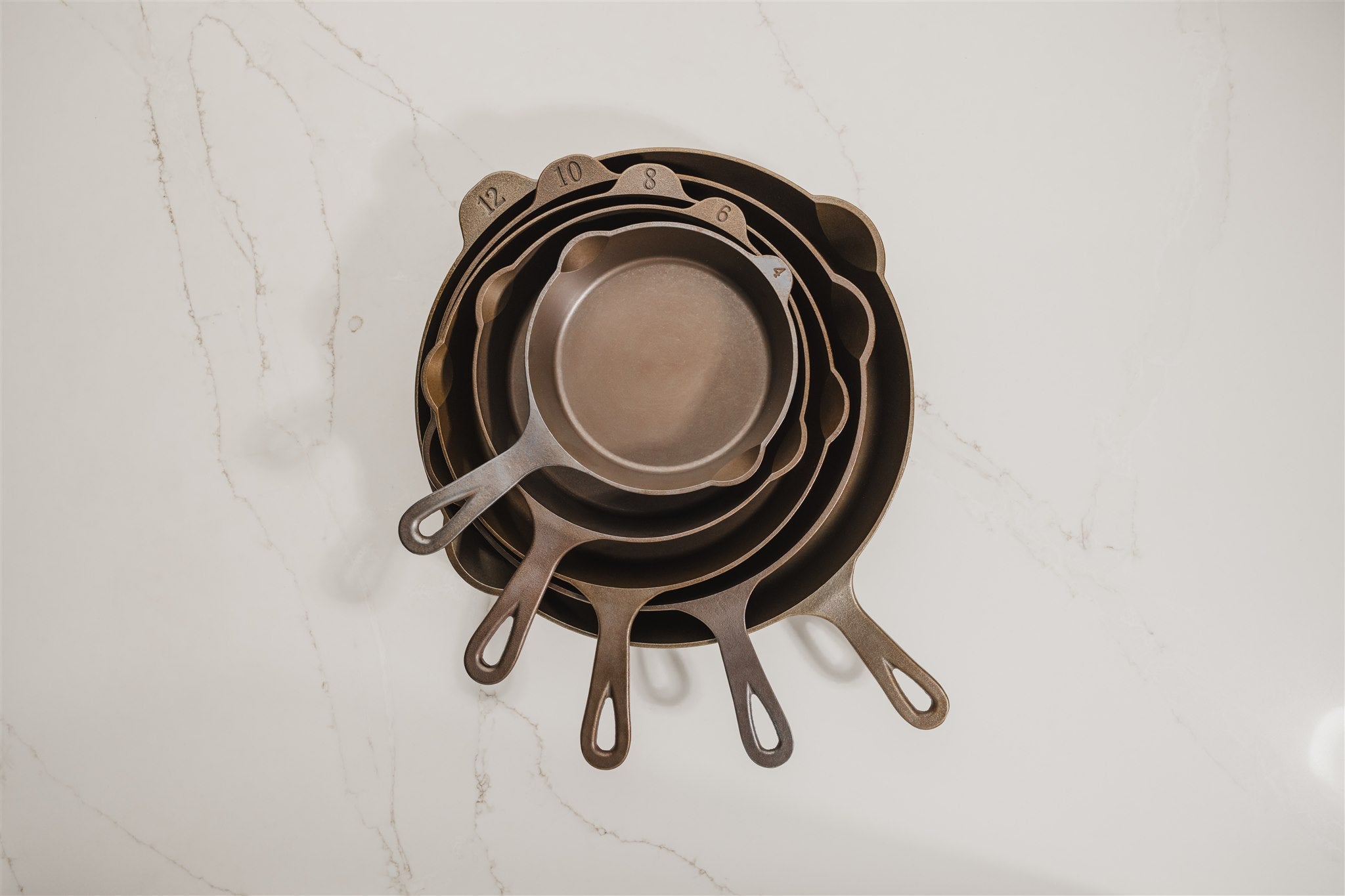
At Lancaster Cast Iron, we've worked to make that strength easier to enjoy. Our skillets are the lightest American-made cast iron pans available, giving you the heat retention people love without the unnecessary bulk that many associate with traditional cast iron.
Which One Is Better?
If your cooking revolves around delicate sauces, quick vegetable sautés, or recipes that require rapid temperature adjustments, stainless steel deserves a place in your kitchen.
But if you love cooking meals that bring people together, if you appreciate beautiful browning, incredible heat retention, naturally seasoned cookware, perfect for everyday cooking, and a pan that only gets better with time, cast iron is hard to beat.
Long after trends come and go, it's still sitting on the stove, ready for the next meal.
That's why so many people buy one cast iron skillet and end up wondering how they ever cooked without it.
And if you're looking for a cast iron skillet that's lighter, smoother, and built to be used every single day, Lancaster Cast Iron is proud to carry that tradition forward, made in America and crafted to last for generations.
Share:
The People Behind the Pan: Celebrating Lucas Huber
Why Do Eggs Stick to Cast Iron? Three Simple Fixes That Make All the Difference