


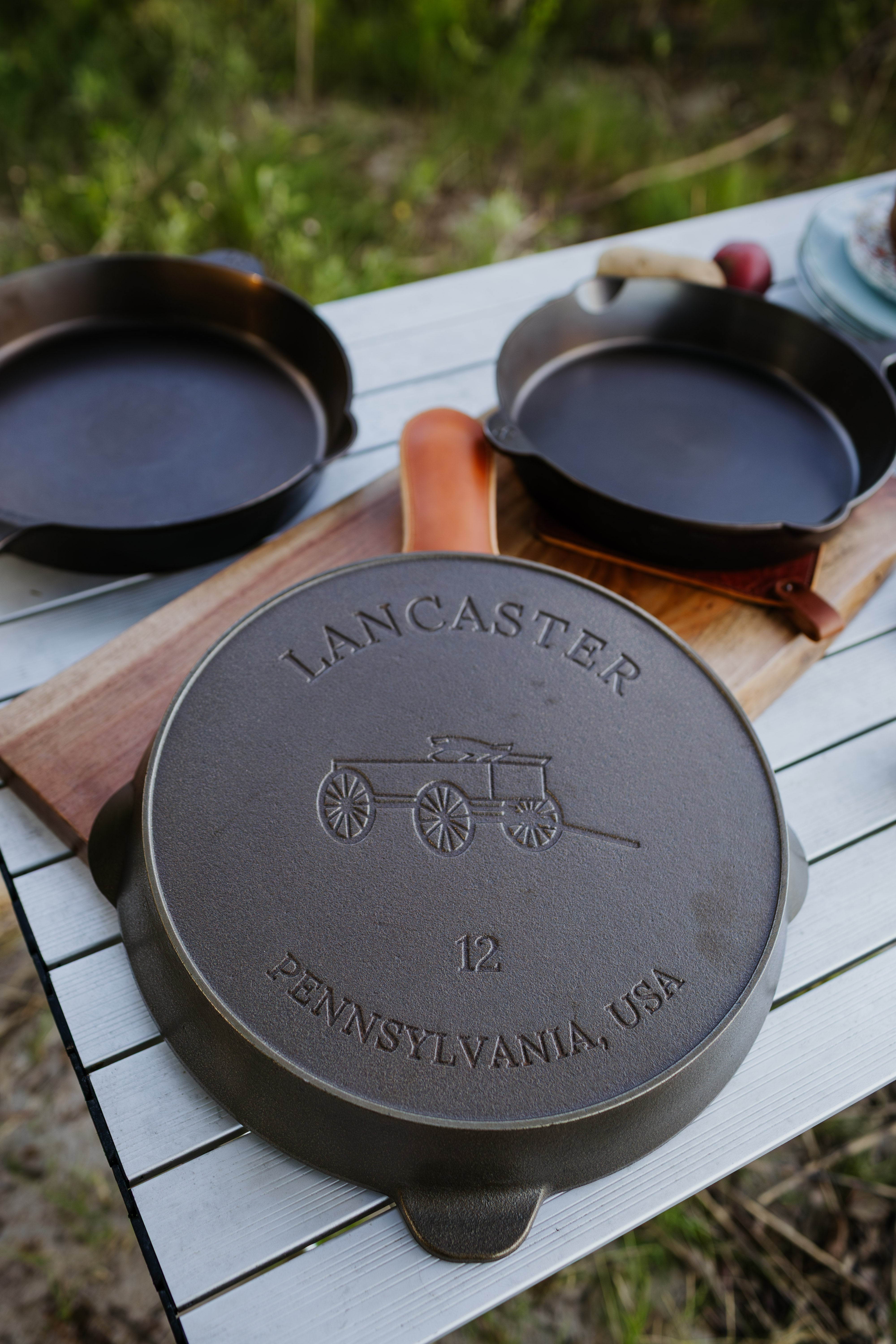
If you've spent any time looking for cast iron cookware, you've probably noticed that not every skillet looks or feels the same. Some have a rough, pebbled cooking surface, while others are smooth to the touch, almost like satin.
It raises a fair question. Does it actually matter?
The short answer is yes. While both smooth and rough cast iron can last for generations and both can cook incredible meals, the surface of your skillet has a bigger impact on your cooking experience than many people realize. It affects everything from how food releases to how easy the pan is to season and maintain.
If you're investing in a piece of cookware you'll use for decades, it's worth understanding the difference.
Why Some Cast Iron Is Rough
Many cast iron skillets today come straight from the mold with very little finishing work. The texture left behind by the sand mold creates the rough surface you'll often see on modern cast iron.
There's nothing inherently wrong with a rough skillet. Over time, years of cooking and layers of seasoning can gradually fill in some of that texture. Many people have cooked on rough cast iron for decades with great results.
The tradeoff is that it often takes longer to build that naturally smooth cooking surface. In the beginning, delicate foods like eggs, pancakes, or fish may be more likely to stick until the seasoning becomes well established.
Why Smooth Cast Iron Feels Different
A smooth cast iron skillet goes through an additional finishing process after it's cast. The cooking surface is carefully machined and polished, creating a flatter, more refined finish before the pan ever reaches your kitchen.
That smoother surface offers several everyday benefits.
Food tends to release more easily, especially as the seasoning develops. Cleaning is often quicker because there are fewer deep grooves for food to cling to. Applying seasoning can also feel more even, creating a beautiful cooking surface that improves every time you use it.
Many people describe cooking on smooth cast iron as something they notice immediately. It simply feels more refined from the very first meal.
The Difference You'll Notice in Everyday Cooking
Think about cooking breakfast.
On a rough surface, eggs may require a little more oil and a bit more patience while the seasoning builds over time.
On a smooth surface, once properly seasoned, eggs often glide with very little effort. Pancakes flip cleanly. Grilled cheese browns evenly. Fish is less likely to tear apart when it's time to flip.
Neither skillet is doing the cooking for you, but the smoother surface can make the entire experience feel a little more effortless.
It's one of those small details that you appreciate every time you cook.
Does Smooth Cast Iron Hold Seasoning Better?
One of the biggest misconceptions is that rough cast iron holds seasoning better because the surface has more texture.
In reality, seasoning isn't simply sitting inside tiny grooves. It's a chemical bond created when oil polymerizes onto the iron during cooking.
A properly finished smooth skillet develops seasoning beautifully. With regular cooking, that seasoning continues to strengthen and improve just like any quality cast iron pan.
The key isn't rough versus smooth.
The key is consistent use.
Cook often. Use a little oil. Keep it dry. The seasoning will continue to build naturally over time.
Why Lancaster Cast Iron Chooses a Smooth Finish
At Lancaster Cast Iron, every skillet is finished with a smooth cooking surface because we believe cast iron should feel exceptional from the very first meal.
Instead of asking customers to spend years breaking in a rough cooking surface, we start with a pan that's ready to become your favorite piece of cookware right away.
That smooth finish pairs perfectly with another feature we're proud of: our lightweight design.
Many people assume cast iron has to be bulky and difficult to handle. We don't think that's true. By combining a lighter weight with a refined cooking surface, our skillets are easier to lift, easier to maneuver, and simply more enjoyable to cook with every day.
It's cast iron built for real kitchens and real cooks.
Is Smooth Cast Iron Worth It?
If you're looking for cookware you'll use once in a while, either option can make great food.
But if you cook several times a week and want a skillet that feels comfortable in your hands, cleans up easily, and gets better every single time you use it, a smooth cast iron skillet is hard to beat.
It's one of those differences that's difficult to appreciate until you've cooked on one. After that, it's equally difficult to go back.
A great cast iron skillet isn't just about durability. It's about making cooking feel enjoyable every time you step into the kitchen.
That's exactly what we set out to build at Lancaster Cast Iron.
Find the right skillet for your kitchen. Shop Lancaster Cast Iron Skillets.

Share:
Lancaster Cast Iron Named Best Overall by Food & Wine
Best Cast Iron Appetizers to Share This Season